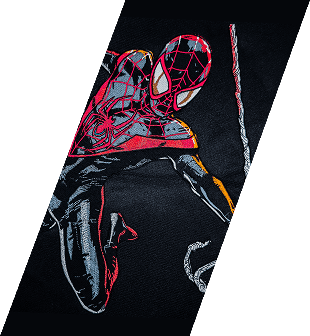
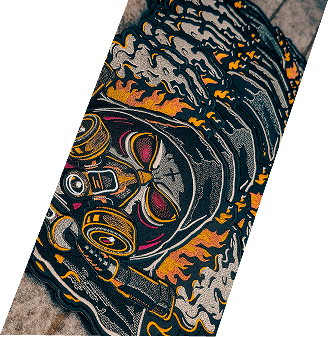
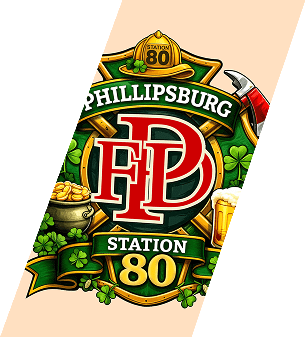
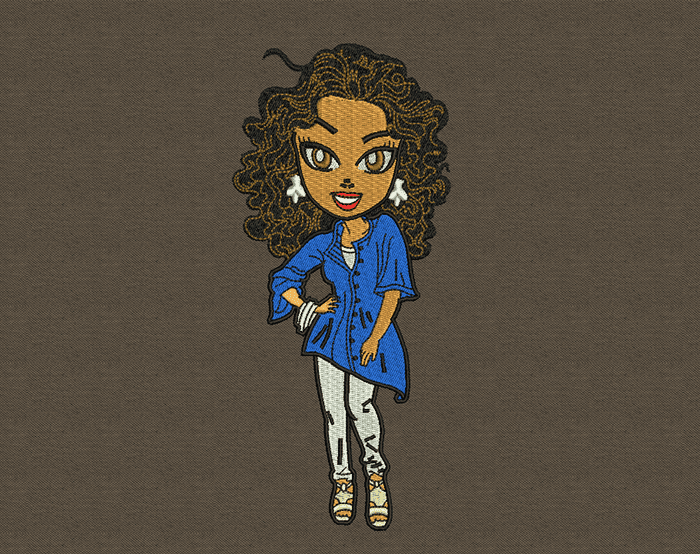
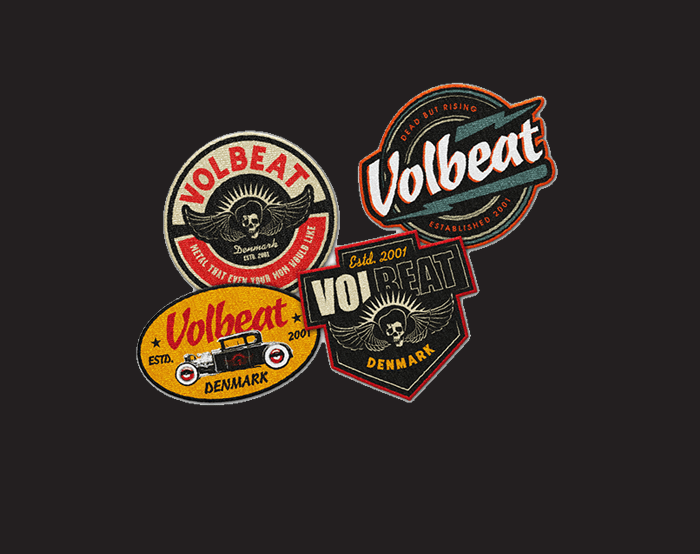
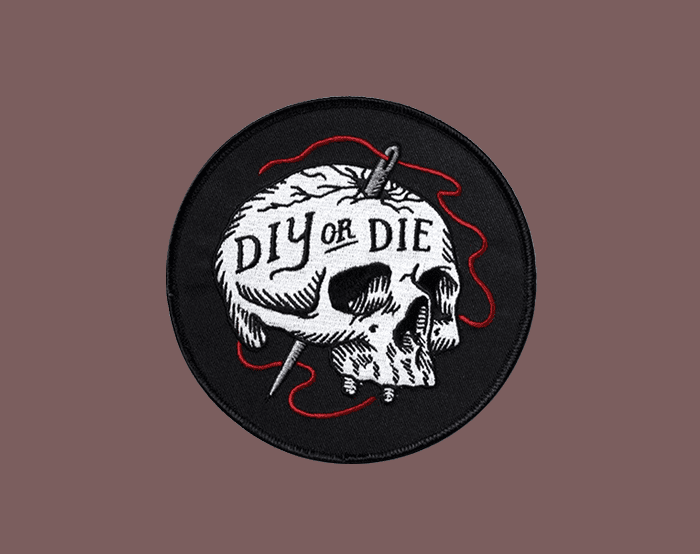
Embroidery is more than just stitching; it starts with precise planning known as embroidery digitizing services. This process converts designs into machine-readable files by mapping stitch paths, choosing stitch types, and adjusting density and direction. The result is clean, professional embroidery that reproduces logos, patterns, and text accurately on garments, patches, or accessories.
How Custom Designs Are Prepared
With custom embroidery digitizing, each design is adapted to its specific fabric and thread type. Experts plan the stitch layers and directions to maintain detail and texture, ensuring that complex logos or intricate illustrations appear sharp and consistent. This level of customization helps preserve the quality of embroidery across multiple items.
The Importance of Professional Companies
Many embroidery digitizing companies in USA specialize in translating designs into precise stitch instructions. Their expertise ensures minimal thread breaks, optimized stitch paths, and high-quality output. Businesses, schools, and brands rely on these companies to achieve consistent embroidery results on uniforms, promotional products, and apparel.
At Dream Digitizing, we provide the same professional expertise, offering embroidery digitizing services and custom embroidery digitizing solutions for clients across the USA and Canada. Our team ensures that every design is accurately converted into machine-ready files, maintaining detail, clarity, and quality across all projects.